Sotogrande
we want you
History Of Sotogrande
The creation of the Sotogrande development, located in the municipality of San Roque, came about as the result of a series of chance events in 1962. A marketing director at the airline Swissair decided to reward several loyal clients with complimentary flight tickets. Among the fortunate recipients was Fredy Melian, an employee of the Ayala Corporation in Manila, Philippines, who chose to take the opportunity to visit Spain, the land of his ancestors.
By coincidence, on the night before his departure, his boss at the company, Joseph McMicking, called him with a specific assignment: to look for suitable land somewhere along the Mediterranean basin for the development of an exclusive residential estate. For Fredy, the holiday plans were suddenly over; however, this marked the first small step towards the creation of a world-renowned luxury development, of which he himself would become the first director in the not-too-distant future.
The search criteria were clear: a large estate with at least one kilometre of coastline, abundant water reserves, and good accessibility. The first option considered was the purchase of the island of Formentera (in the Balearic archipelago) — almost in its entirety. Nevertheless, Fredy Melian travelled the entire Spanish Mediterranean coastline by motorcycle, gathering proposals to take back with him to the Philippines.
After carefully reviewing all the options, Joseph McMicking and his nephews, Jaime and Enrique Zobel, decided to acquire the Paniagua estate, located within the municipal boundaries of San Roque, very close to the Rock of Gibraltar. The site offered plentiful water resources thanks to the nearby Guadiaro River, a nearby airport in the British colony, and the possibility of acquiring neighbouring estates such as Sotogrande, Conchudo and Valderrama.
The authorities raised no objections to McMicking’s plans to develop Sotogrande, despite the fact that, at the time, foreign nationals were not generally permitted to purchase land without military approval. Given the area’s strategic military sensitivity due to its proximity to the Rock of Gibraltar and to Morocco, a more restrictive stance might have been expected, but fortunately this was not the case.
In 1964, McMicking hired the world’s leading golf course architect, Robert Trent Jones, granting him complete freedom across the entire estate to select the ideal location for the first golf course, around which the development would subsequently be planned.
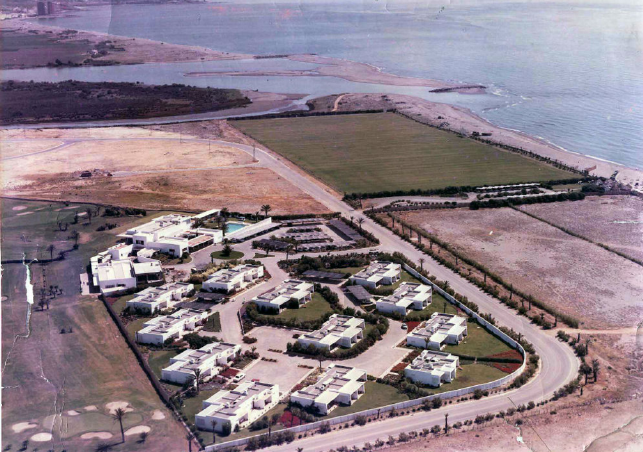
The first road opened within the estate would later become what is now Paseo del Parque, Sotogrande’s most emblematic avenue. This access facilitated the construction of the first bungalows adjacent to the Real Club de Golf Sotogrande.
McMicking’s visionary approach included the underground installation of utilities and power lines, while the streets of the development were designed in accordance with the specifications used for American motorways.
Quality was, without doubt, the guiding principle throughout the project, a philosophy that extended to gastronomy, with outstanding restaurants offering both creative international cuisine and traditional Andalusian recipes.
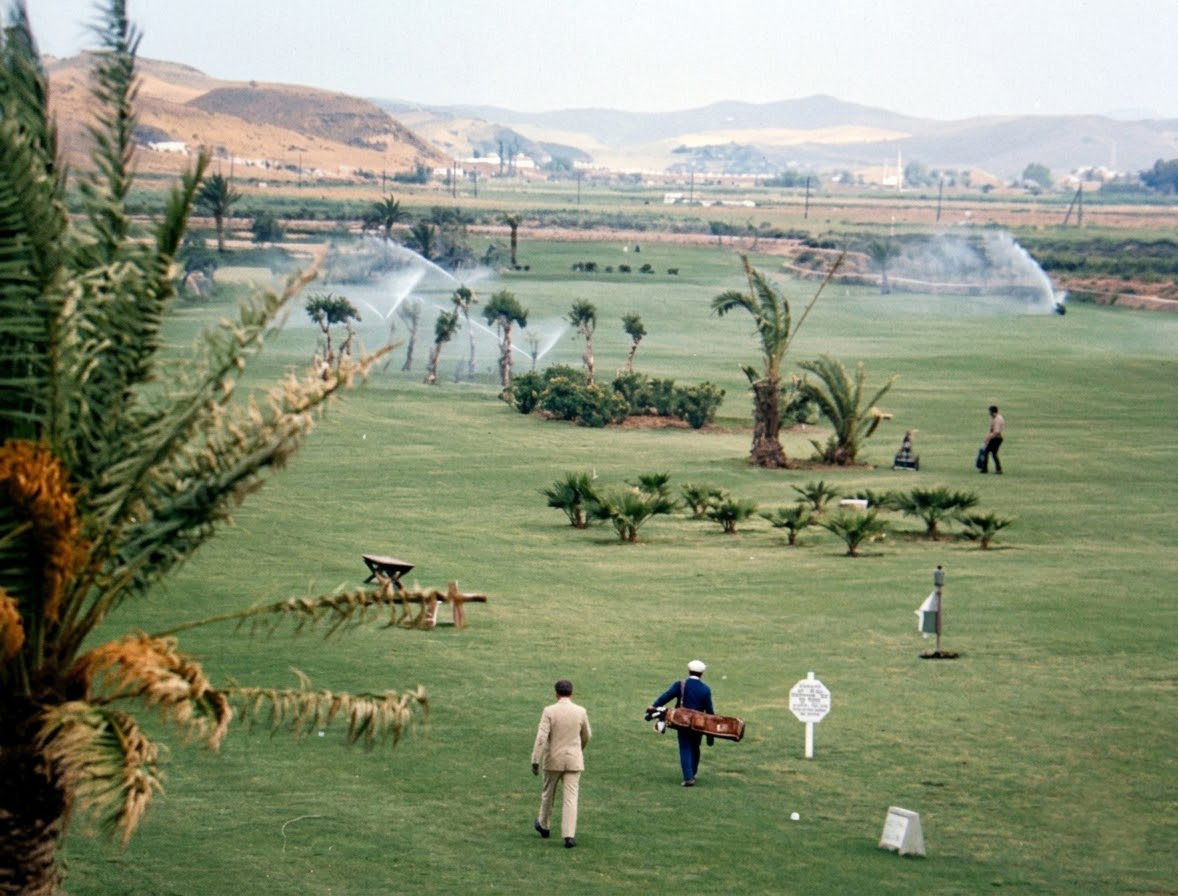
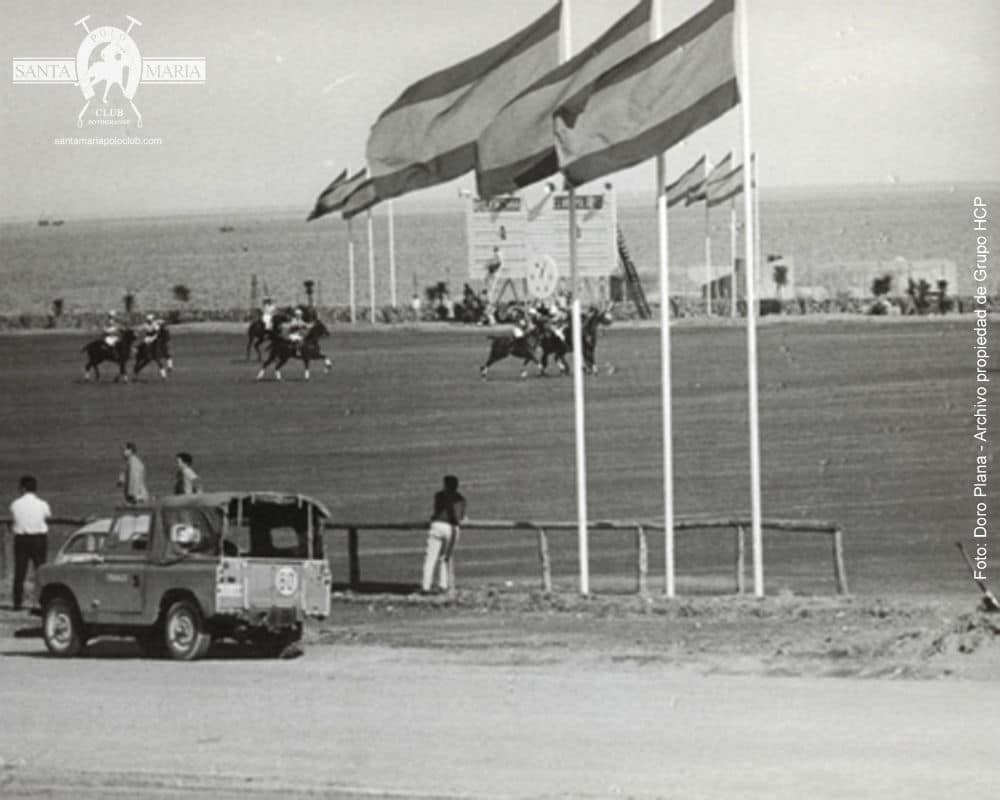
“Doro Plana – Archivo Histórico propiedad de Grupo HCP Sotogrande”.
Sotogrande Today
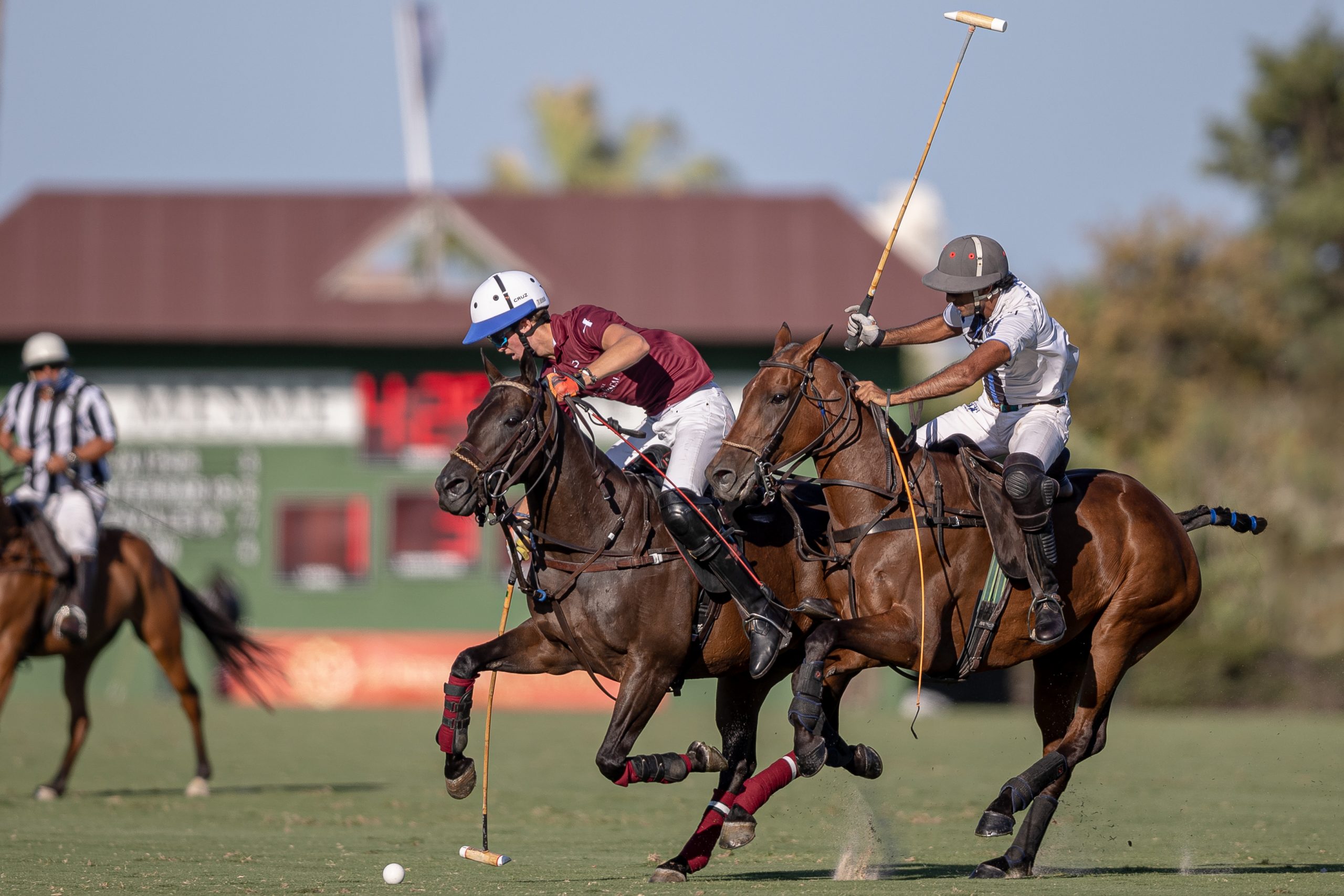
Currently, the Sotogrande development is undoubtedly the flagship tourist product of the municipality of San Roque, particularly in terms of sports and residential tourism. It is no coincidence that Sotogrande is recognised as the European Capital of Golf and the Municipality of Polo Par Excellence.
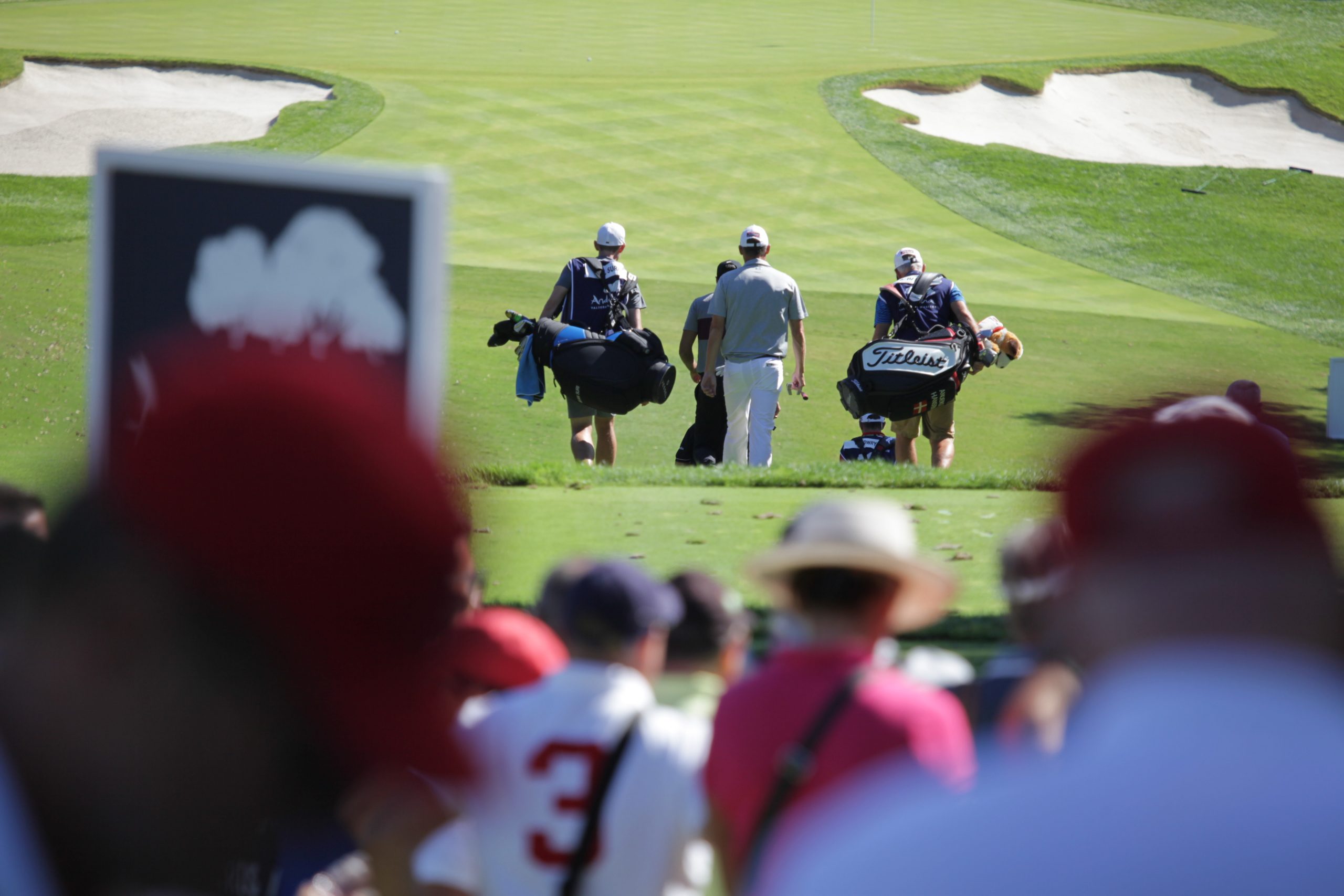
This exclusive area of San Roque is home to nine golf courses, among which the Real Club Valderrama stands out. It is regarded as one of the finest golf courses in continental Europe and has hosted the 1997 Ryder Cup, as well as international tournaments such as LIV Golf Andalucía, firmly placing Sotogrande on the global golf map. In addition to Valderrama, the destination features other prestigious courses including the Real Club de Golf Sotogrande, La Reserva Club Sotogrande and The Alto Club (formerly Almenara Golf), a modern 18-hole course with a state-of-the-art golf academy and stunning Mediterranean views.
Apart from golf, Sotogrande is a leading international destination for polo, boasting ten polo fields and three top-tier polo clubs: Ayala Polo Club, Iridike Polo Club and Santa María Polo Club.. In particular, Ayala Polo Club is recognised as one of the three most important polo clubs in Europe and is unique worldwide in organising two international ranking tournaments: the Silver and Gold Cups of the International Polo Tournament, held each summer.
The leisure offering is further enhanced by The Beach at La Reserva Club Sotogrande, the first artificial beach in Spain featuring a lagoon for non-motorised water sports. This is complemented by exclusive beach clubs along the coastline, such as Trocadero Sotogrande and El Octógono.
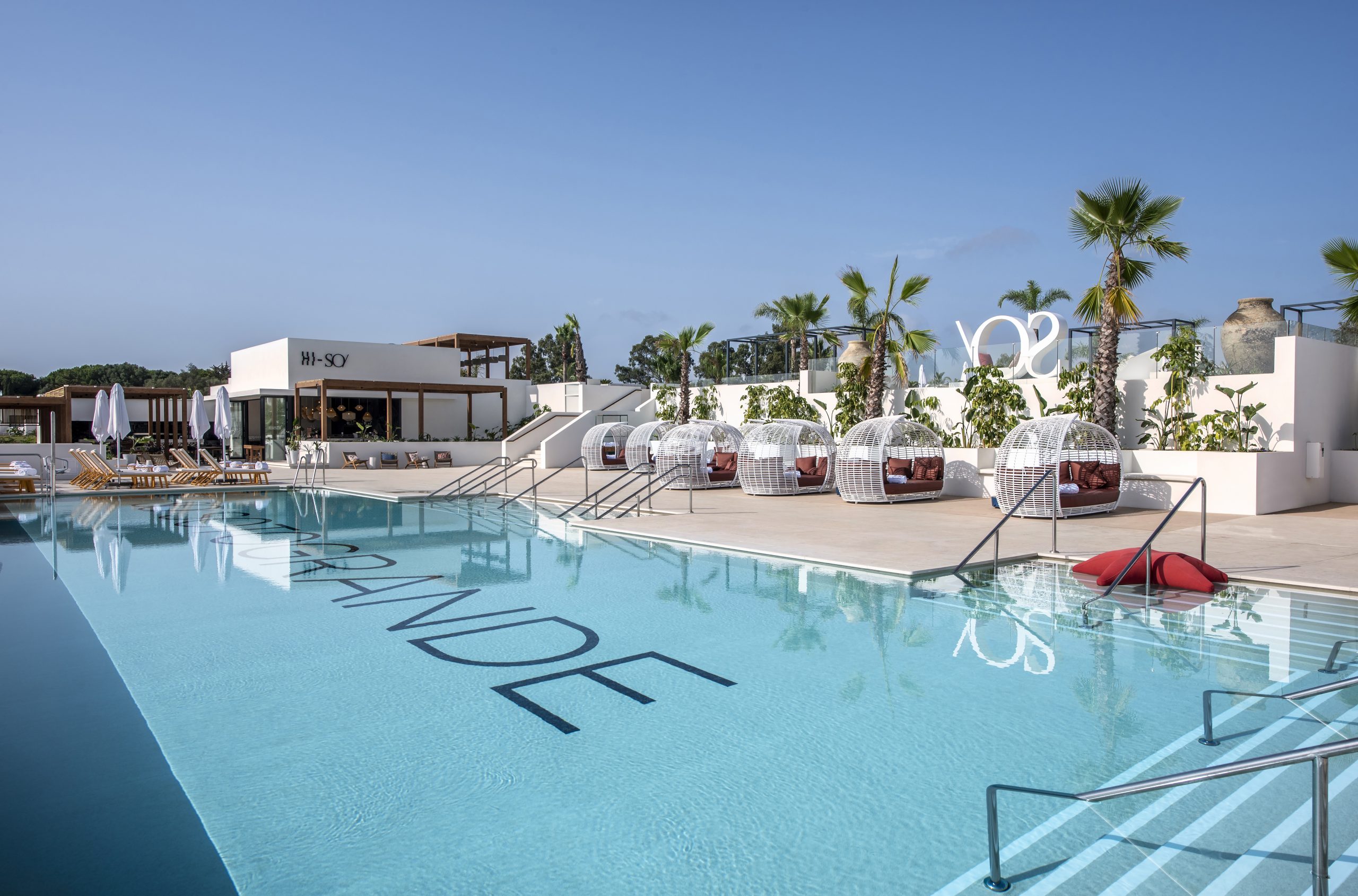
On the other hand, three of the best hotels in San Roque are located in the resort, the SO Sotogrande Golf & Spa Resort *****; the Hotel Encinar de Sotogrande **** and the Hotel MiM Sotogrande Melià Collection *****, located in the heart of Puerto Sotogrande.
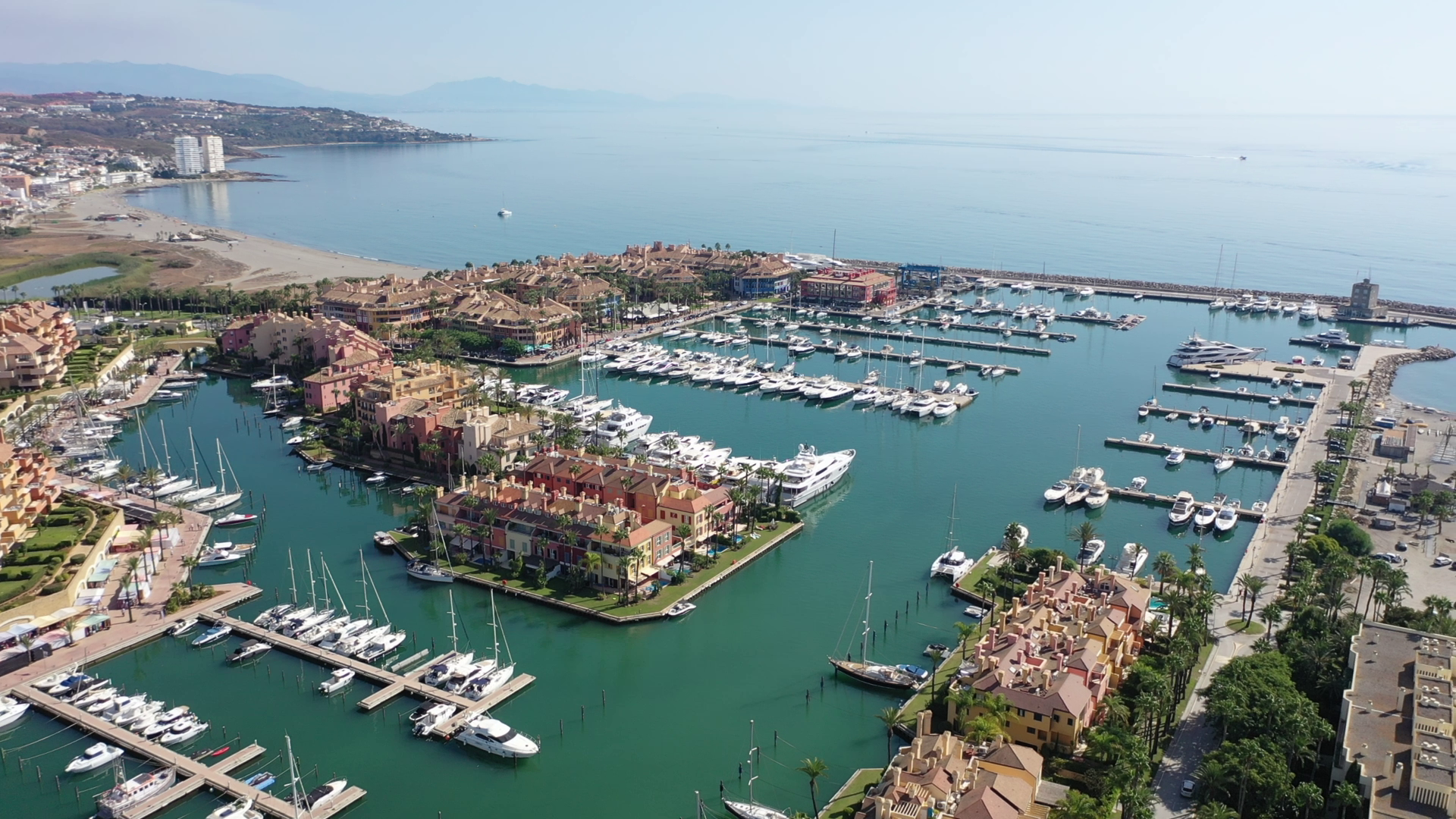
Furthermore, Sotogrande Marina is the largest marina in Andalusia, offering 1,382 berths. Calm, exclusive and visually striking, it is surrounded by luxury waterfront apartments and artificial islands, making it one of the most distinctive nautical enclaves in southern Europe.
The sports offering is completed by first-class facilities for padel tennis, tennis and equestrian sports, reinforcing Sotogrande’s active and healthy lifestyle appeal.
In conclusion, Sotogrande has firmly established itself as a national and international benchmark destination, offering sustainable, high-quality tourism away from mass crowds, and is a preferred summer retreat for royal families and prominent international figures.